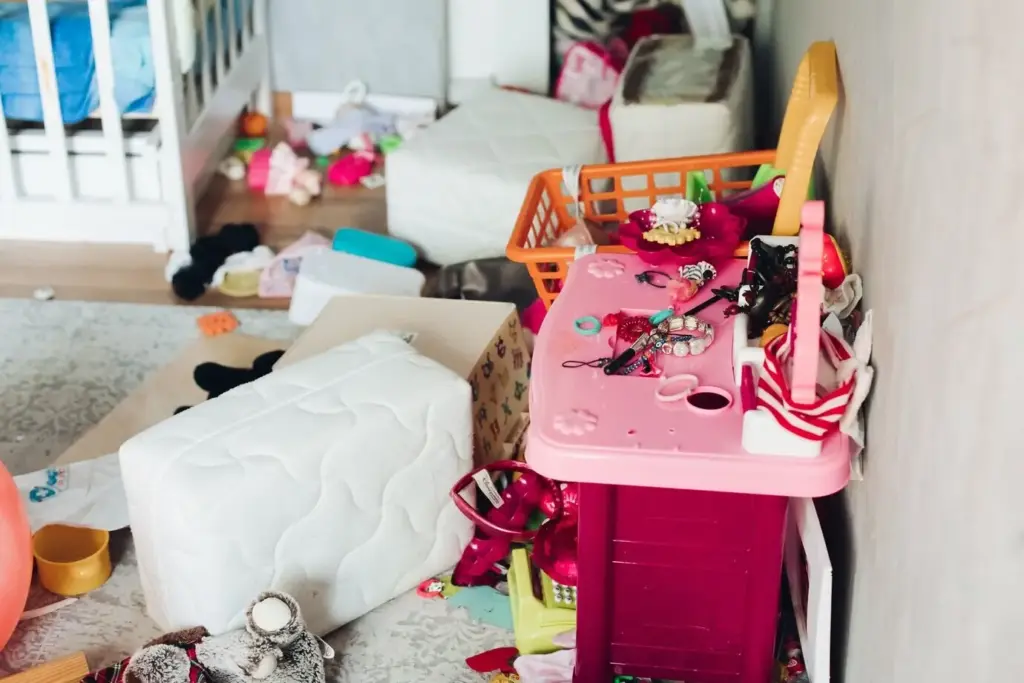
Race the Mess: Timer-Based Decluttering Games That Actually Stick


Today we dive into Timer-Based Decluttering Games—fast, playful challenges that turn tidying into a race against the clock. In short bursts, you’ll conquer decision fatigue, sidestep perfectionism, and gather tiny wins that snowball into lasting order. Grab a timer, pick a room, and let momentum carry you forward. Whether you’re clearing surfaces, inboxes, or memory cards, the countdown transforms effort into energy, making every minute meaningful, measurable, and genuinely fun.

Why the Clock Sparks Action

Time pressure narrows focus, which is exactly what messy corners and overloaded drawers need. A simple countdown replaces vague intentions with crisp urgency, helping you act before second-guessing creeps in. Short, repeatable sprints reduce emotional friction, give instant feedback, and build trust in your ability to decide quickly. You start to associate tidying with momentum instead of drudgery, and that reframing transforms sporadic effort into a sustainable practice you actually look forward to continuing tomorrow.

Analog, Digital, or Ambient

Analog timers are tactile and visible, making urgency feel real on a desk or countertop. Phone timers are always handy, though notifications can disrupt focus if you forget airplane mode. Smartwatches add stealth for shared spaces, while ambient hourglasses soften pressure with calming visuals. Choose tones that energize rather than irritate, and keep backups in key rooms. Prevent friction by pre-setting your favorite intervals, so a single tap launches action before hesitation occupies that precious first minute.

Simple, Fair, Repeatable Rules

Design constraints that promote speed and reduce second-guessing. Decide categories before the countdown: keep, donate, recycle, trash, unsure. Use labeled boxes in consistent colors to reduce thinking. Limit touchpoints by applying the one-touch rule whenever possible. Cap undecided items per sprint to avoid backlogs. Define a visible win metric—books shelved, emails archived, steps cleared—so success feels concrete. End with a two-minute reset to return supplies and log progress, ensuring each round completes cleanly without lingering mess.

Safety, Pace, and Recovery

Energizing speed should never compromise safety. Lift with your legs, wear gloves for sharp edges, and keep hallways clear. Balance strain by mixing categories—light paper sorting between heavy box moves. Insert strategic breaks using brief stretches or water sips, and finish with a cool-down song to mark completion. Respect limits: if dizziness or frustration appears, pause and reset. Sustainable games prioritize longevity over heroics, making consistent, low-drama wins more valuable than exhausting, one-off victories you dread repeating.

Pick Your Timer, Set Your Rules

The best tool is the one you’ll actually use repeatedly, so choose a timer that fits your style and environment. Loud kitchen timer, subtle smartwatch buzz, or app with cheerful chimes—each shapes your pace and mood. Pair your timer with simple rules: what counts as a win, where items go, and how you end the round. Clarity avoids mid-sprint dithering. Establish reset rituals and cool-down breaths so sessions close cleanly, reinforcing confidence and avoiding hidden clutter rebounds later.

Game Formats You Can Start Today

Start where resistance is smallest and feedback fastest. Choose playful formats that remove guesswork and create visible change within minutes. Short sweeps for surfaces, category dashes for drawers, and music-driven sprints for energy slumps all help. Rotate formats to match your mood and clutter type, keeping novelty without sacrificing predictability. Remember, variety prevents boredom but consistency builds results. Prepare supplies in advance, pick a single zone, and let the clock carry you through decisive actions without overthinking.

The Five-Minute Sweep and Sort

Set five minutes for a single surface—coffee table, dresser top, kitchen counter—and move fast. Sweep everything into a temporary bin, then sort into labeled boxes with a second five-minute round. Fast containment reveals empty space quickly, boosting motivation. Use a visible tally—number of items rehomed or tossed—to feel momentum. Finish by wiping the surface and photographing the result as future-proof proof. Revisit the same surface weekly to learn which categories repeatedly reappear and require better storage.

Dice-Driven Decision Dash

Roll a six-sided die to choose your next micro-task: one equals books, two equals gadgets, three equals mail, four equals clothes, five equals cords, six equals wild card. Start a three-minute countdown and move decisively. The randomness removes paralysis, and speed prevents spiraling into nostalgia or perfection. Keep category boxes nearby to minimize steps. Add fun penalties or bonuses—ten jumping jacks for pausing, or music change on a streak. End with a victory note to yourself capturing lessons learned.

Make It Social: Family, Roommates, Teams
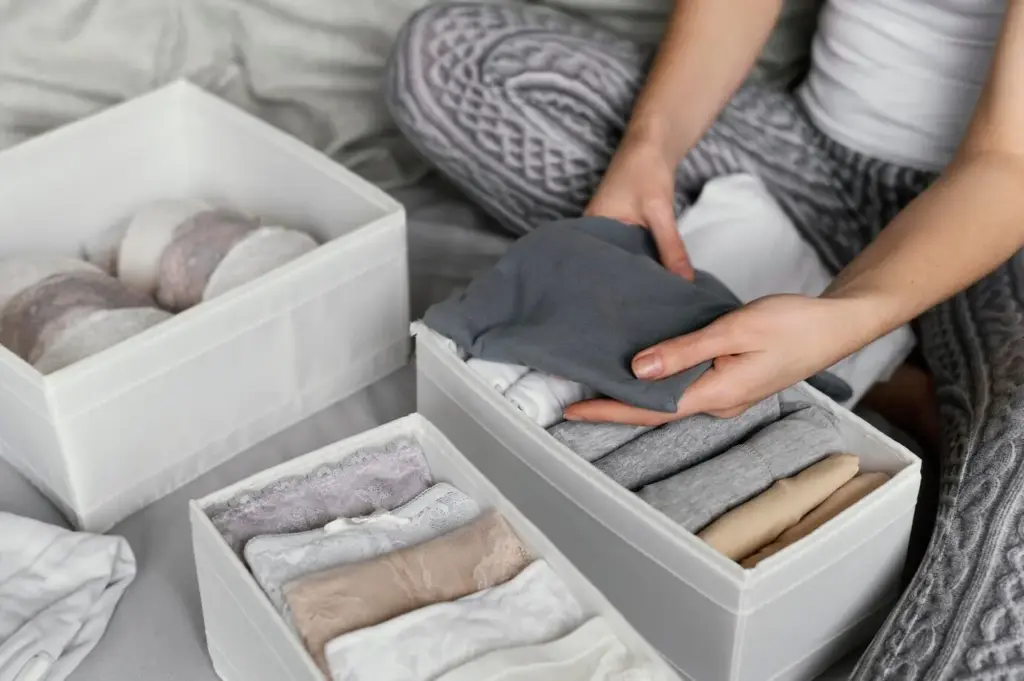
Shared spaces thrive when everyone feels ownership and the process is genuinely enjoyable. Social game rounds create friendly accountability and help distribute invisible labor. Keep instructions crystal clear and age-appropriate, with visible goals so wins are celebrated together. Avoid shaming, focus on teamwork, and rotate roles to balance preferences. Short, predictable sessions reduce negotiation fatigue and make progress dependable. Consider playful incentives—board game time, screen minutes, or choosing dinner—to add positive associations without adding new physical items into your home.

Digital and Desk Detox Under a Timer

Track Progress and Keep Momentum

Scoreboards, Streaks, and Visual Logs

Post a minimalist scoreboard where you mark each sprint with a bright dot or line. The pattern grows into a picture of reliability you can trust. Use recurring labels—kitchen, closet, inbox—to spot neglected zones at a glance. Weekly reviews identify celebrated wins and bottlenecks. Digital alternatives like habit apps and shared spreadsheets work well, but keep inputs minimal to avoid new friction. The goal is presence and continuity, not perfect analytics, so your system remains inviting instead of burdensome.

Rewards that Reinforce, Not Re-Clutter

Choose rewards that deepen well-being without introducing new items that demand storage. Think experiences: a favorite snack, a walk with a podcast, an episode of a comforting show, or a homemade latte in a cleared kitchen. If you buy something, let it replace, not add—one in, one out. Celebrate streaks with rest, not shopping. Write a short note of appreciation to your future self after sessions, reinforcing identity: you are someone who finishes. Identity-based rewards outlast any trinket and accumulate quietly.

When Motivation Dips, Reset the Ritual

Dips are normal, so bake in gentle resets. Shrink the interval to two minutes, switch zones, or use a novelty format like dice rolls or scavenger prompts. Play a favorite song and commit to tidying until the chorus ends. Text a friend for a parallel sprint. Return to your why—lighter mornings, clearer focus, or easier hosting. Progress resumes when friction drops, not when toughness rises. Keep your tools visible and your expectations kind, and the cycle naturally starts moving again.
Ninexifazutari
Privacy Overview

This website uses cookies so that we can provide you with the best user experience possible. Cookie information is stored in your browser and performs functions such as recognising you when you return to our website and helping our team to understand which sections of the website you find most interesting and useful.