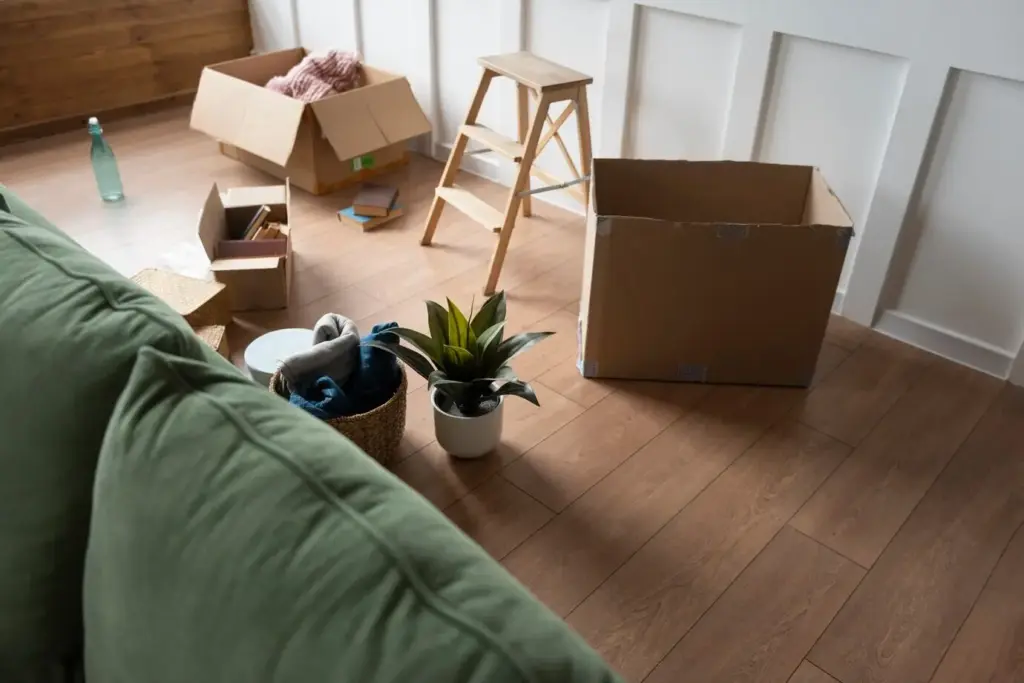
Tiny Rituals, Big Calm at Home
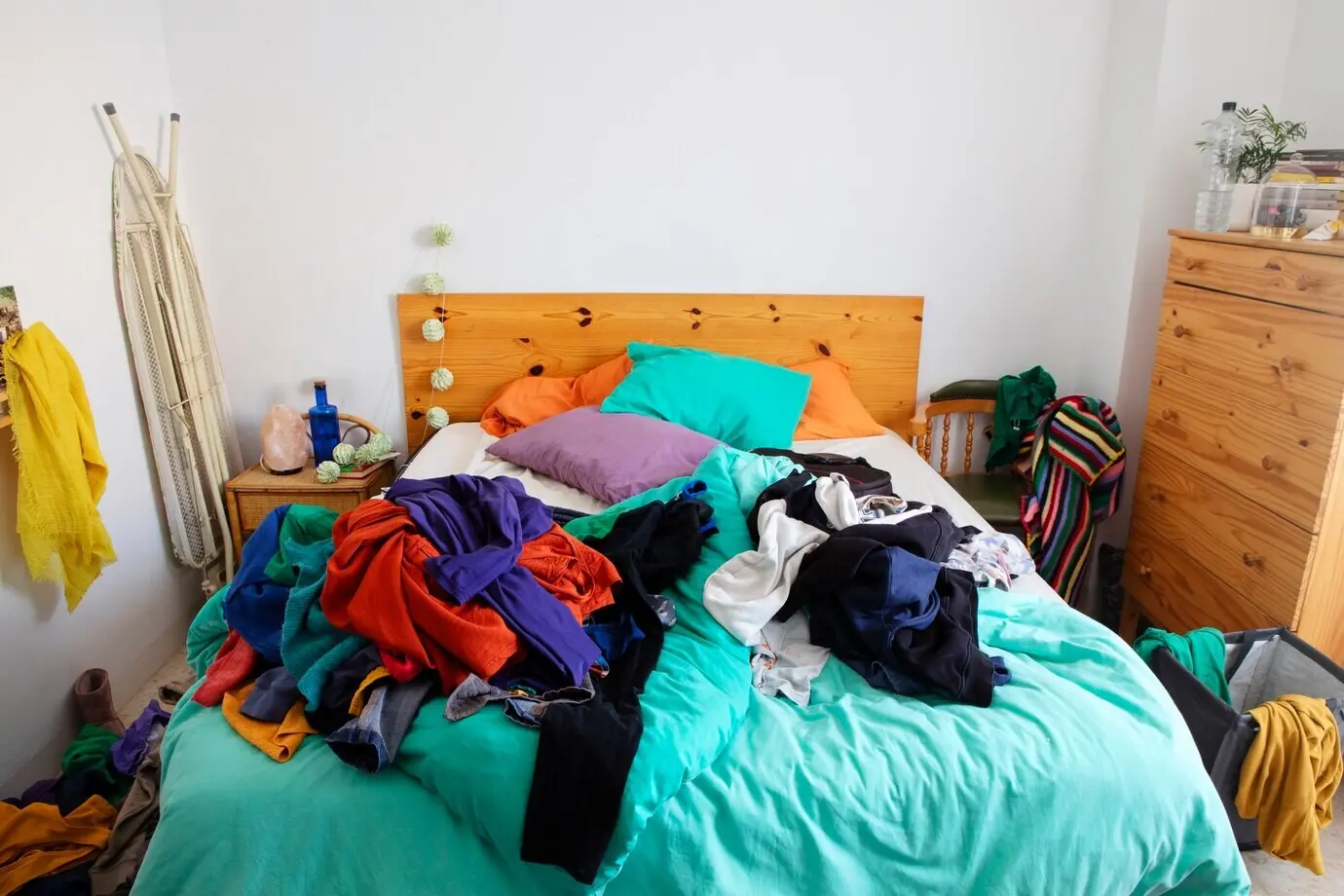
Today we explore micro-habits for a simpler home, celebrating small, repeatable actions that quietly transform daily life. Instead of waiting for a massive organizing weekend, we’ll lean on gentle rhythms that reduce friction, protect energy, and create visible calm. You’ll find practical, joyful cues that fit inside real routines, help everyone participate, and make your space feel lighter without perfection. Try one idea today, notice the lift tomorrow, and share your favorite discovery so we can build a supportive, encouraging community together.

Hook, Tray, Basket: Friction-Free Setup
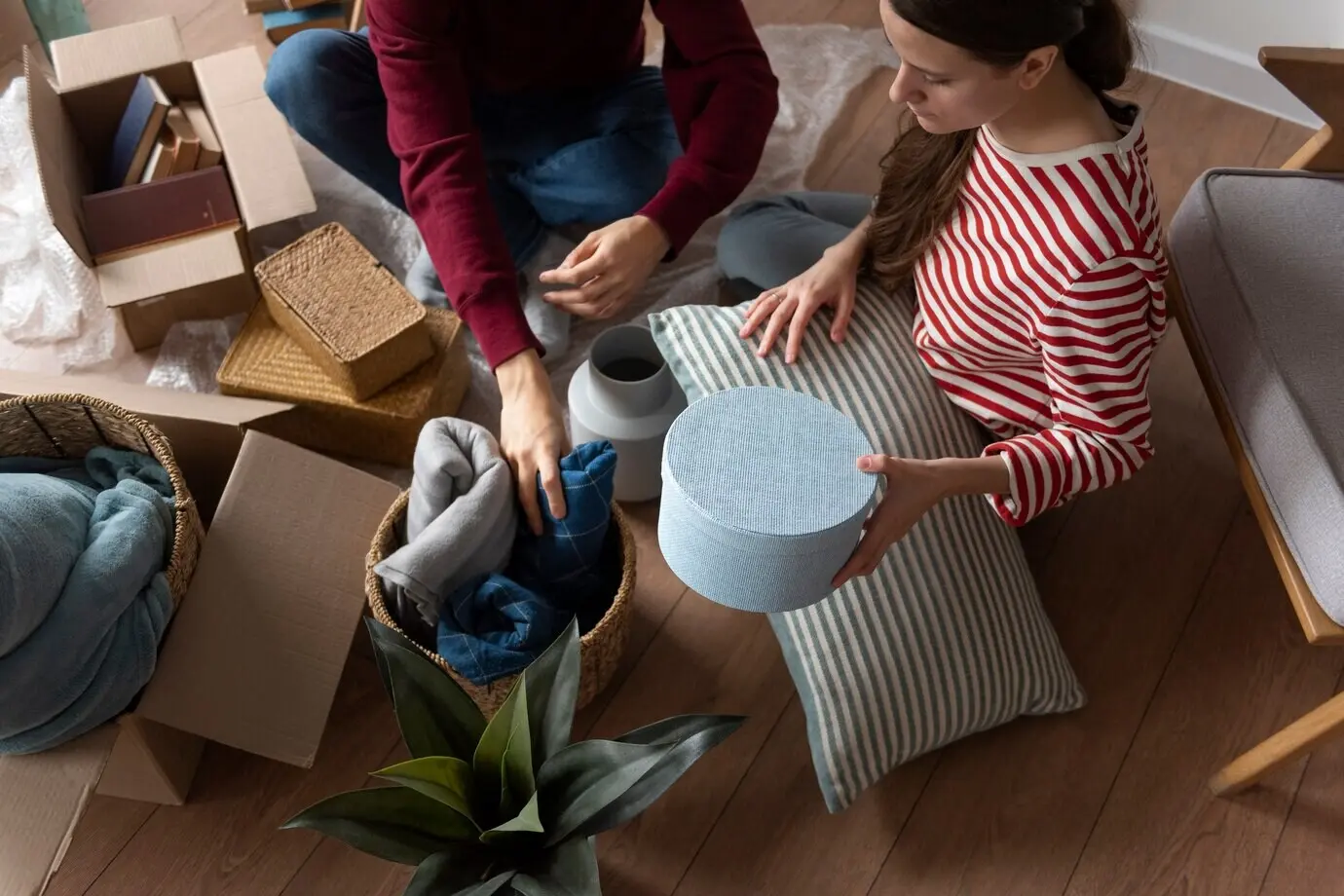
Design beats willpower. Add a sturdy hook at shoulder height for bags, a shallow tray for keys and sunglasses, and a neutral catch-all basket for scarves and gloves. Keep it visible and within one step of the door so your hands can empty out immediately. Label discreetly if you share the space. When everything lands in the first sixty seconds, the rest of your rooms stay clear, and mornings start without the frantic search party.

One Minute on Return

When you step in, pause for sixty seconds. Hang the bag, drop keys on the tray, shoes into a bin, and skim mail into three quick stacks: recycle, action, keep. This tiny pause gives you control before distractions take over. It prevents invisible mental tabs from multiplying and helps your brain register closure. You’ll be surprised how quickly the practice feels automatic, like washing hands after coming home—simple, sanitary, and wonderfully calming.

Two-Minute Rules That Prevent Clutter

Short tasks rarely feel urgent, yet they’re the difference between calm and chaos. The two-minute rule—doing any task under two minutes immediately—kills clutter before it grows roots. Pair it with the touch-it-once mindset, and your space stops collecting half-finished processes. These micro-habits protect your future self, turning energy spikes into sustained ease. They require no perfection, only small, predictable actions that keep surfaces clear and decisions simple when life is full and attention is scarce.

01

Touch-It-Once in Practice

When you pick something up, finish the loop. If it takes under two minutes, put it away, not nearby. Dishes go into the dishwasher, not the sink. Jackets hang, not drape. Receipts either get photographed or recycled. This tiny completion habit spares you double handling, which steals time and energy later. Think of it as future-you kindness: a single, gentle move now eliminates five frazzled moves when the day is already heavy and your patience is thinner.

02

Surface Savior: Counters and Tables

Flat surfaces invite piles. Adopt a nightly two-minute sweep: return items to their homes, wipe a quick streak, and reset just one surface if time is tight. Start with the counter you see first in the morning. Clean surfaces discourage new clutter, make rooms appear larger, and encourage healthier choices. Visual calm offers cognitive relief, helping you think clearer and make faster decisions, especially during busy mornings or when guests arrive without warning and you need instant composure.

03

The Nightly Reset Walkthrough

Before bed, take a slow lap with a small basket. Scoop obvious outliers: toys, notebooks, stray chargers, hair ties. Rehome what you can in two minutes, then park the basket where you’ll empty it tomorrow. This tiny cadence stops clutter from spreading overnight and replaces guilt with closure. The goal is not perfection; it’s motion and kindness. Ending the day with purposeful order signals safety to your nervous system and sets up a gentler, more confident morning.

Laundry Without Overwhelm: A Daily Drip

Laundry pain rarely comes from washing; it comes from mountains and delayed decisions. A daily drip—one small load aligned with your natural rhythm—removes bottlenecks. Set a repeating reminder, choose consistent categories, and finish the loop with easy folds or no-fold systems. Little decisions stack into a dependable rhythm that everyone can follow, even on tiring days. With fewer piles, you reclaim chairs, floors, and mental bandwidth, and laundry returns to background noise instead of a weekend-stealing burden.

Set a Standing Time

Anchor laundry to something you already do: start the washer after brushing teeth, move to the dryer after a school drop-off, fold while a kettle boils. Habit stacking hides the effort inside existing routines. Keep detergent within reach, a hamper divided by color, and a small timer nearby. Consistency beats intensity. If one day fails, resume the next without drama. The real victory is showing up regularly so piles stay manageable and clothes return to closets predictably.

Shortcuts That Stick

Simplify decisions you make repeatedly. Assign mesh bags to each person for socks and delicates, so sorting disappears. Use identical towels to avoid matching. Choose capsule colors to reduce separated loads. Keep hangers next to the dryer for clothes that skip folding entirely. These small optimizations remove friction, which is the real enemy of maintenance. Progress becomes easier than procrastination when the path is shorter, clearer, and made of default choices that automatically encourage tidy, repeatable outcomes.

Fold Less, Contain More

If folding stops you, don’t fold. Roll leggings, file T-shirts loosely, or use labeled bins for categories like pajamas, gym, or lounge. Kids’ clothes can live in broad containers they can handle themselves. Aim for easy access and easy return, not department-store perfection. The rule is visibility plus containment. When you can see what you own and put it away without fiddly steps, laundry completion becomes normal, momentum returns quickly, and weekends stay free for fun and rest.

Kitchen Calm: Sink Shines and Smart Prep

A calm kitchen fuels an easier life. The sink is your keystone: if it stays clear, cooking feels possible and snacks don’t sabotage counters. Pair a quick nightly scrub with a morning mise en place ritual—coffee ready, lunches staged, breakfast tools visible. Small resets deliver massive relief when hunger and schedules collide. With predictable rhythms, you’ll waste less food, lower stress during rush hours, and enjoy a welcoming space that invites help from partners, family, and friendly guests.

The Five-Item Dish Rule

If the sink holds more than five items, stop and clear it before moving on. This visible threshold prevents overwhelm and keeps your dishwasher loop active. Store a scrub brush and soap where your hand naturally lands to reduce effort. Finish with a quick wipe around the faucet for a spark of shine. That tiny glint becomes a cue to keep going, anchoring a cycle of success that spills into meal prep and mindful, less frantic snacking later.

Mise en Place for Mornings

Each night, stage your first hour: mug by the kettle, coffee pre-measured, clean pan on the stove, lunch containers stacked, fruit washed. These micro-placements remove micro-decisions when you’re groggy and rushed. The space signals action without words, saving willpower for kids’ shoes, meetings, and commutes. Think of it as future-you hospitality. Fifteen quiet seconds tonight can shave five anxious minutes tomorrow, which adds up beautifully across a week full of deadlines and surprise morning curveballs.

Paper, Pixels, and Peace: A Home Command Corner

The Five-Minute Inbox

Once a day, set a timer and handle the visible top layer only. Recycle obvious junk, file reference papers, and flag two priority items. Stop when the timer ends. This rhythm prevents marathon sorting and builds trust in a routine that always comes back tomorrow. Pair it with a sticky note for next actions. Focusing on small, clear decisions ends avoidance, shrinks piles gradually, and keeps the command corner from turning into another intimidating, guilt-inducing black hole.

Bills, Birthdays, and Bins

Create two sturdy bins: Action and Archive. Bills, forms, and invitations live in Action until done; warranties and sentimental items head to Archive with simple categories. Add a visible monthly birthday list to cue cards or messages. Review Action every Tuesday for ten minutes. These containers become decision stations, not storage. Because everything important lands in one consistent place, you spend fewer weekends hunting for lost forms and more time enjoying the celebrations you intentionally remember and plan.

Digital Declutter Micro-Routine

Limit your home screen to essential apps and a single folder named Later. During a nightly minute, delete five screenshots or duplicate photos and take one small inbox action. Schedule a weekly fifteen-minute archive session for receipts and documents. The goal is less tapping, more clarity. By curating touchpoints and trimming digital noise daily, you guard attention for conversations, hobbies, and rest. Your phone supports your life instead of quietly stealing the margins you need most.

Share the Ease: Family Micro-Agreements

A simpler home is a team sport. Micro-agreements—clear, tiny commitments—build shared momentum without nagging. Post a one-page guide with five daily cues and owners. Keep tools reachable, labels friendly, and wins visible. Make chores time-bound and predictable. Celebrate effort, not perfection, and let kids pick their favorite jobs first. When routines are small, fair, and consistent, participation rises naturally, and the home stops relying on one person’s willpower to carry the entire mental and physical load.

Tiny Jobs, Clear Cues

Assign bite-sized tasks with specific triggers: shoes into cubbies after school, dishes rinsed immediately after dinner, towels hung right after showers. Use photos or color labels for kids and guests. Store tools at point-of-use—wipes in bathrooms, lint roller by the entry, toy basket in the living room. These cues reduce instructions and create automatic action. When everyone knows what to do and when, there’s less arguing, faster follow-through, and more time for conversation and play together.

Gamify the Routine

Make it fun and finite. Use a three-song tidy sprint before bed, a sticker chart for consistent resets, or a weekend dice game that assigns quick tasks. Rotate small rewards like choosing the playlist or movie. Fun reframes effort and turns chores into inside jokes instead of battles. Short, repeatable sprints beat long cleanups every time, and the predictable finish line motivates even reluctant helpers who secretly appreciate clear boundaries and a shared, spirited sense of completion.

Lightness by Design: One-In, One-Out and the Five-Thing Sweep
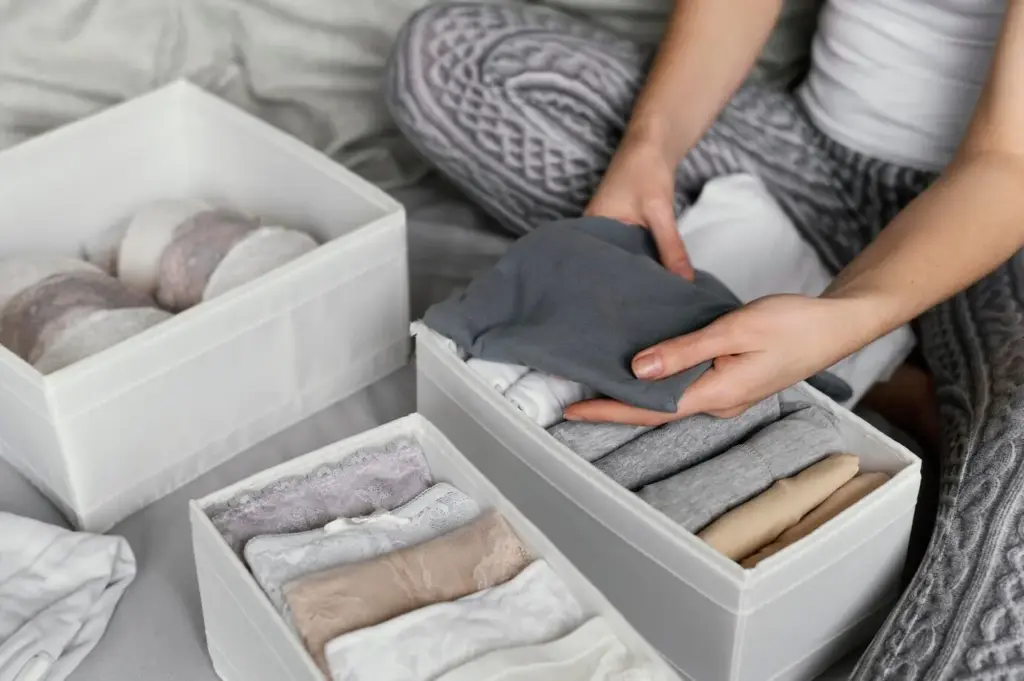
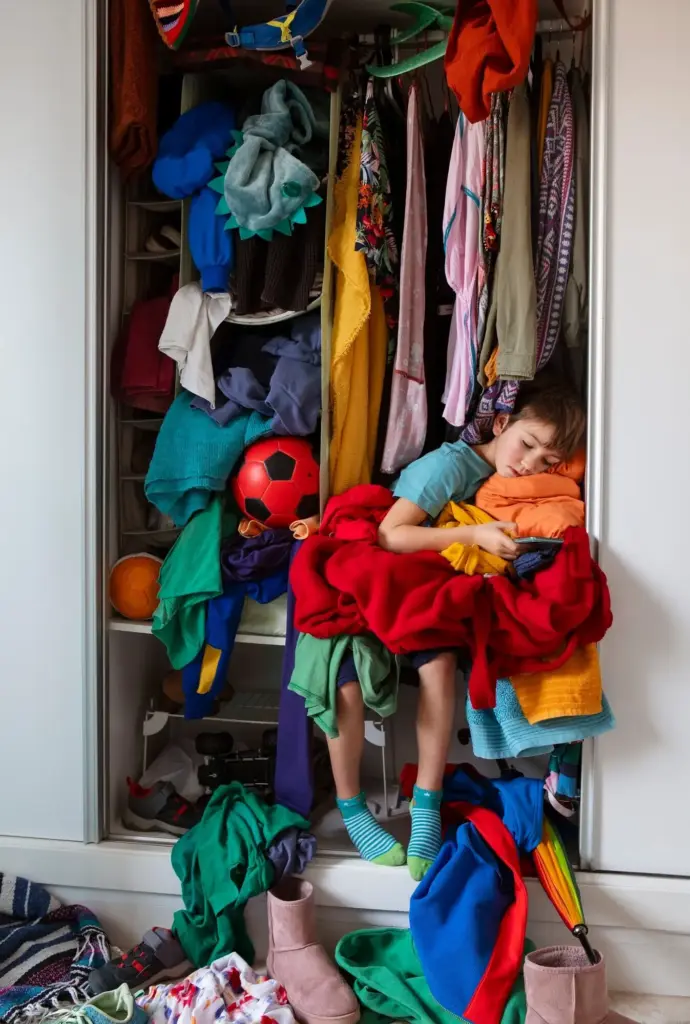
Stuff multiplies quietly. Intentional exits protect space without harsh purging. Adopt one-in, one-out for categories that grow fast—mugs, tees, toys—and schedule a daily five-thing sweep where you release five items or rehome them properly. Add one exit basket by the door for donations and returns. When leaving the house, grab something from that basket. These simple cycles keep volume in check, undo decision fatigue, and create a steady sense of lightness that makes cleaning faster and living easier.
Ninexifazutari
Privacy Overview

This website uses cookies so that we can provide you with the best user experience possible. Cookie information is stored in your browser and performs functions such as recognising you when you return to our website and helping our team to understand which sections of the website you find most interesting and useful.